| 🎵 Song Information | |
|---|---|
| Song Name | Dooron Dooron Song |
| Singer | Taba Chake |
| Music Director | Paresh Pahuja |
| Lyricist | Shiv Tandan |
| Label | Paresh Pahuja |
| Release Date | December 6, 2024 |
| Songwriter | Paresh Pahuja |
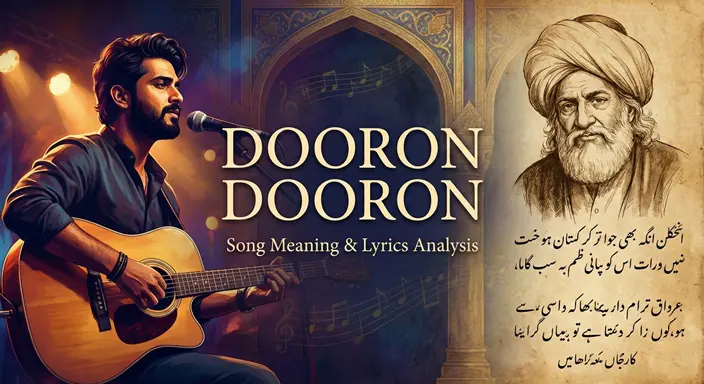
| Details | Performed live at The Voice Notes Concert, this rendition of "Dooron Dooron" is a fusion of modern indie-pop and Sufi tradition. Composed by Paresh Pahuja, the song weaves original lyrics by Shiv Tandan with the timeless verses of Baba Bulleh Shah, exploring the themes of longing and unconditional love. The Musical Ensemble: The rich, live soundscape was created by a talented team of musicians: Violin: Jerusha Mendes (Adding the soulful melody) Acoustic Guitars: Sam Haldar & Raunak Upadhyay Keys: Ankesh Anand Bass: Aldridge D’souza Drums: Zayne Chaves Backing Vocals: Brecilla Dsouza & Meera Audio Engineering: Live Mix Engineer: Arman Tejani Mixed & Mastered by: Pranav Gupta Creative Team: Written & Directed by: Paresh Pahuja Showrunner: Shiv Tandan Concept: The Voice Notes Concert (Produced by April Films) |
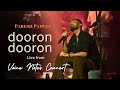
Dooron Dooron Song Meaning, Lyrics & Behind the Story: A Deep Dive
“Dooron Dooron”—a phrase that echoes in the hearts of dreamers. Whether you are listening to the classic rendition by Inderjit Nikku or the soul-stirring, indie-acoustic version by Taba Chake, the song acts as a universal anthem for the unspoken, the unrequited, and the silent admirer. But what makes this song so timeless?
The Essence of “Dooron Dooron”
At its core, “Dooron Dooron” is not just a song about distance; it is a song about the dignity of silence. In the age of instant messaging and digital connectivity, the song harkens back to a time where feelings were nurtured in the shadows. The title, translating to “From a Distance,” suggests a safe space where the lover can admire the beloved without the fear of the harsh reality of rejection.
The song resonates so deeply because it acknowledges the “inferiority complex” that often accompanies true, selfless love. When we love someone deeply, we often perceive ourselves as flawed (“man of clay”) and them as divine (“fairy”), a contrast that Bulleh Shah, the Sufi poet, often explored in his verses.
The Evolution: Inderjit Nikku vs. Taba Chake
To understand the song’s legacy, one must look at its two primary interpretations. The original track by Inderjit Nikku brought the song to the mainstream, framing it within the classic Punjabi folk-pop tradition. It carried the signature cadence of Punjabi heartbreak—rhythmic, slightly upbeat, yet melancholic in its lyrical content.
Fast forward to the version by Taba Chake. This interpretation strips away the electronic production and focuses purely on the acoustic vulnerability of the lyrics. By slowing down the tempo and incorporating raw instrumentation, Chake invites the listener into the singer’s mind, making the fear of “nede” (coming close) feel physically palpable.
Line-by-Line Meaning and Poetic Breakdown
Below is an expanded analysis of the lyrics, exploring not just what is said, but what is felt.
The Sufi Philosophy: Bulleh Shah’s Influence
The song gains its spiritual depth from the integration of verses inspired by Baba Bulleh Shah. In Sufi tradition, love is often viewed as a form of surrender. The lyrics “Kehnde zehr vekhke pita, te ki pita” (They say, if you drink poison knowing it’s poison, what’s the point?) elevate the song from a simple pop track to a philosophical inquiry.
This verse suggests that if you love, you must love unconditionally. If you are calculating the “profit and loss” of your feelings—deciding whether to love based on whether you will be loved back—then it isn’t love; it’s a business deal. By including these lines, Taba Chake and the writers remind listeners that the pain of one-sided love is, in itself, a form of spiritual cleansing.
Why the “Man of Clay” vs. “The Fairy” Concept Resonates
One of the most poignant moments in the lyrics is the comparison: “Vekhegi mainu te sochegi kya tu? Main mitti da banda, tu pari.”
This touches upon a deep-seated human emotion: Imposter Syndrome in Love. In almost every romantic dynamic, there is a moment where the admirer feels they are punching above their weight. By calling himself “mitti da banda” (a man made of dust/earth), the singer is identifying with humility, mortality, and imperfection. By calling her a “pari” (fairy), he is elevating her to a celestial plane.
This isn’t just about beauty; it’s about social and emotional status. It is the fear that if the “divine” person looks at the “mortal” person, they will only see flaws. It is this specific vulnerability that makes the song a classic.
Musical Architecture: Why the Arrangement Matters
If you listen closely to the acoustic versions of “Dooron Dooron,” you will notice how the instruments mirror the lyrics. The sparse acoustic guitar represents the singer’s solitude. The subtle inclusion of the violin in many live versions represents the “longing” or the “voice” the singer keeps trapped in his throat.
In the live concerts, the pauses between the notes are just as important as the notes themselves. Those silent gaps simulate the hesitance described in the lyrics. Every strum is a missed opportunity; every note is a word that wasn’t spoken.
Cultural Significance in Modern Punjabi Music
Punjabi music by Paresh Pahuja, is often characterized by high-energy dance tracks, but “Dooron Dooron” serves as a crucial reminder of the softer, more poetic side of the culture. It aligns with the “sad-song” genre that has seen a massive resurgence globally, proving that Gen Z and Millennials crave lyrical substance over superficial beats.
The success of this song indicates a shifting trend: listeners are tired of generic party anthems. They want art that mimics their own quiet, internal battles. The song validates the experience of the wallflower, the silent admirer, and the heartbroken—people whose stories are rarely told in pop culture.
Conclusion: The Beauty of the Unspoken
Whether you resonate with the original Inderjit Nikku version or the acoustic mastery of Taba Chake, “Dooron Dooron” remains a masterpiece of emotional storytelling. It teaches us that you don’t always need a grand gesture to express love. Sometimes, the most powerful expression of love is simply having the grace to stand back, admire from a distance, and accept the beautiful, bittersweet pain of wanting someone you cannot have.
Have you ever felt like a “man of clay” admiring a “fairy” from afar? Let us know in the comments how this song has touched your own story of silent love.
You Suggest Songs:
Frequently Asked Questions (FAQ)
1. Who is the original singer of Dooron Dooron?
The original track was popularized by Inderjit Nikku. However, several indie artists like Taba Chake have since created acoustic covers that have gained massive popularity on platforms like Spotify and YouTube.
2. What is the meaning of “Nede”?
“Nede” is a Punjabi word that literally translates to “near” or “close.” In the context of the song, it represents the physical and emotional proximity the singer desires but fears to pursue.
3. Why is Sufi poetry included in the lyrics?
Sufi poetry, particularly from Baba Bulleh Shah, is often used in Punjabi songs to add depth regarding “Ishq” (Love) and “Rabb” (God). It transforms a simple pop song into a meditation on the nature of unconditional devotion.
4. Is Dooron Dooron a sad song?
Yes and no. While it is melancholic and captures the pain of distance, it is also a celebration of deep, pure feelings. Many listeners find comfort in the song, viewing it as an acknowledgment of their own experiences.
About This Article
| Reviewed By | Music Research Team |
|---|---|
| Content Type | Song Meaning, Translation, Background & Educational Analysis |
| Published | January 29, 2026 |
| Last Updated | August 9, 2026 |
| Reading Time | 6 min read |
| Article Purpose | Provide educational analysis, song meaning, translation, artist information, and verified music facts. |
Sources
This article has been prepared using publicly available music information and reliable editorial references. Song details, artist information, and album metadata have been verified using the following official and trusted sources whenever available.
- Official Artist Website
- Official Record Label
- Spotify
- Apple Music
- YouTube Music
- MusicBrainz
- Discogs
- AllMusic
- IMDb (where applicable)
Copyright Notice
Copyright Disclaimer & DMCA Notice:
Song lyrics are protected by copyright law and are the exclusive property of their respective owners. The lyrics and translations provided on this website are published for educational, commentary, research, and informational purposes only.
Notice to Copyright Holders:If you are a copyright owner or an authorized agent and believe that any content on this website infringes upon your copyrights, please contact us at info@songsubtext.com.
We respect intellectual property rights and will promptly remove any infringing material upon valid request.
Editorial Policy
Our editorial team researches every article using reliable music databases, official artist information, album credits, and trusted industry resources. Every page is reviewed for originality, accuracy, and compliance with copyright regulations.